

What is the best way to wring out a cotton face cloth?
Aug 07, 2025
Leave a message
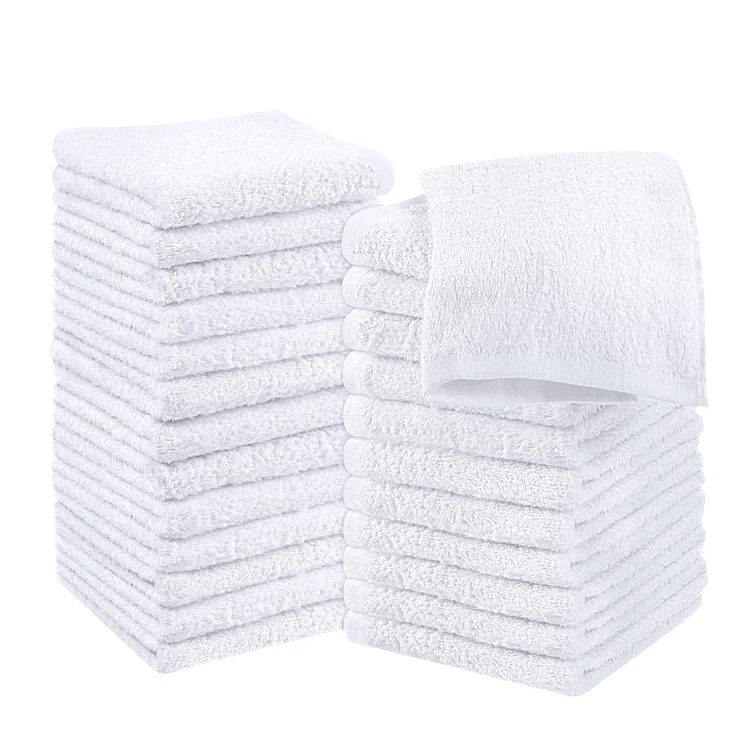
As a supplier of high - quality Face Cloth Cotton, I often get asked about the best way to wring out a cotton face cloth. This seemingly simple task can have a significant impact on the longevity and performance of your face cloth. In this blog, I'll share some scientific and practical methods for wringing out cotton face cloths, along with insights into why these methods work.
The Structure and Properties of Cotton Face Cloths
Before delving into the wringing methods, it's important to understand the structure and properties of cotton face cloths. Cotton is a natural fiber composed of cellulose polymers. These polymers form a network of tiny fibers that create a porous structure. This porosity allows cotton face cloths to absorb a large amount of water, making them ideal for cleaning and wiping.
However, this same porosity can also make it challenging to completely remove water from the cloth. When you wet a cotton face cloth, water molecules are trapped within the fiber network through capillary action. Capillary action is the ability of a liquid to flow in narrow spaces without the assistance of, or even in opposition to, external forces like gravity. This means that simply squeezing the cloth might not be enough to remove all the water.
Traditional Hand - Wringing Methods
The most common way to wring out a cotton face cloth is by hand. Here are a few traditional hand - wringing techniques and their effectiveness:
Simple Squeeze
The simplest method is to hold the face cloth at both ends and squeeze it tightly. While this method can remove a significant amount of water, it may not be sufficient to remove all the water trapped within the fibers. The pressure applied during a simple squeeze is often uneven, and some areas of the cloth may still retain a considerable amount of moisture.
Twisting
Another popular hand - wringing method is to twist the face cloth. Start by holding the cloth at both ends and then twist it in a clockwise or counter - clockwise direction. As you twist, the water will be forced out of the cloth. Twisting can be more effective than a simple squeeze because it applies more pressure and distributes it more evenly across the cloth. However, excessive twisting can damage the fibers of the cotton face cloth over time, especially if the cloth is wrung too tightly.

Scientifically - Optimized Wringing Methods
To achieve the best results when wringing out a cotton face cloth, we can use some scientifically - optimized methods:
Rolling and Pressing
One effective method is to roll the face cloth tightly and then press it between two flat surfaces. For example, you can place the rolled cloth between two clean towels and then press down firmly. The rolling action helps to distribute the water evenly throughout the cloth, and the pressing action forces the water out. This method is gentle on the fibers and can remove a large amount of water without causing excessive damage.
Using a Wringer Tool
A wringer tool can be a great investment for those who use cotton face cloths frequently. There are various types of wringer tools available on the market, from simple handheld wringers to more complex electric wringers. A wringer tool applies consistent pressure across the entire face cloth, ensuring that most of the water is removed. When using a wringer tool, make sure to follow the manufacturer's instructions to avoid damaging the cloth.
Impact of Wringing Methods on the Lifespan of Cotton Face Cloths
The way you wring out your cotton face cloth can have a significant impact on its lifespan. Aggressive wringing methods, such as excessive twisting or using too much force when squeezing, can cause the fibers to break or become misshapen. Over time, this can lead to a loss of absorbency and a shorter lifespan for the face cloth.
On the other hand, gentle wringing methods, like rolling and pressing or using a properly adjusted wringer tool, can help preserve the integrity of the fibers. This means that your cotton face cloth will maintain its absorbency and softness for a longer period, providing you with better performance and value for money.
Related Products in Our Collection
As a Face Cloth Cotton supplier, we offer a wide range of high - quality cotton products. Our Cotton Hand Wash Towel is perfect for daily hand washing and drying. It is made from premium cotton fibers, ensuring excellent absorbency and durability.
For those with babies, our Wash Cloth Baby is a must - have. These soft and gentle wash cloths are designed to be safe for a baby's delicate skin. They are also highly absorbent, making them ideal for cleaning and wiping.
If you're looking for a complete set of cotton towels, our Cotton Bath Towel Set is a great choice. The set includes bath towels, hand towels, and face cloths, all made from high - quality cotton. These towels are soft, absorbent, and long - lasting.
Conclusion and Call to Action
In conclusion, the best way to wring out a cotton face cloth depends on your specific needs and preferences. While traditional hand - wringing methods can be effective, scientifically - optimized methods like rolling and pressing or using a wringer tool can provide better results and help extend the lifespan of your face cloth.
If you're interested in purchasing high - quality cotton face cloths or any of our other cotton products, we invite you to contact us for a procurement discussion. We are committed to providing our customers with the best products and services. Whether you're a retailer looking to stock our products or an individual in need of high - quality cotton towels, we'd love to hear from you.
References
- "The Science of Cotton Fibers" - Journal of Textile Science
- "Optimal Wringing Techniques for Textiles" - International Journal of Cleaning Technology