

How to care for silk products?
Nov 18, 2026
Leave a message
Hey there! As a supplier of silk products, I've seen firsthand how amazing these luxurious items can be. Silk is not only soft and smooth but also has numerous health benefits. However, to keep your silk products looking and feeling their best, proper care is essential. In this blog post, I'll share some tips on how to care for silk products so that you can enjoy them for years to come.
Understanding the Nature of Silk
Before we dive into the care tips, let's take a quick look at what makes silk so special. Silk is a natural protein fiber produced by silkworms. It's known for its strength, elasticity, and ability to regulate temperature. Silk is also hypoallergenic, making it a great choice for people with sensitive skin.
But because silk is a natural fiber, it's also delicate and requires special attention. Exposure to sunlight, harsh chemicals, and rough handling can damage the fibers and cause the silk to lose its luster and softness.
Cleaning Silk Products
One of the most important aspects of caring for silk products is cleaning them properly. Here are some general guidelines to follow:
Hand Washing
For most silk items, hand washing is the best option. Fill a basin with lukewarm water and add a small amount of mild, pH-neutral detergent. Gently swirl the silk item in the water, being careful not to rub or wring it. Rinse the silk thoroughly in clean, lukewarm water until all the detergent is removed.
Machine Washing
If you need to use a washing machine, choose the delicate or gentle cycle and use cold water. Place the silk item in a mesh laundry bag to protect it from getting tangled or damaged. Use a small amount of mild detergent, and avoid using fabric softeners or bleach.
Drying
After washing, gently press the excess water out of the silk item without wringing it. Lay the silk flat on a clean, dry towel to air dry. Avoid direct sunlight, as it can cause the silk to fade and become brittle. If you need to speed up the drying process, you can use a fan or a hair dryer on the lowest setting.
Storing Silk Products
Proper storage is also crucial for maintaining the quality of your silk products. Here are some tips on how to store silk:
Folding
When folding silk items, use a smooth surface and fold them gently. Avoid creasing the silk, as it can be difficult to remove the wrinkles later. You can also use tissue paper to separate the layers and prevent the silk from sticking together.
Hanging
For silk garments, hanging is a good option. Use padded hangers to prevent the silk from stretching or getting misshapen. Avoid hanging silk items in direct sunlight or in a damp environment, as it can cause the silk to yellow or develop mold.
Storage Containers
If you're storing silk items for an extended period, use a breathable storage container, such as a cotton pillowcase or a linen bag. Avoid using plastic bags, as they can trap moisture and cause the silk to mildew.
Special Care for Different Silk Products
Different silk products may require slightly different care. Here are some tips for caring for specific silk items:
Silk Clothing
- Silk Blouses and Dresses: Follow the general cleaning and storage guidelines mentioned above. If you spill something on your silk blouse or dress, blot the stain immediately with a clean, damp cloth. Avoid rubbing the stain, as it can spread and damage the silk.
- Silk Scarves: Silk scarves are delicate and can be easily damaged. When washing a silk scarf, be extra gentle and avoid wringing or twisting it. You can hang the scarf to dry, but make sure to support it evenly to prevent stretching.
- Silk Pajamas: Silk pajamas are a great way to sleep in luxury. To keep your silk pajamas looking and feeling their best, wash them regularly using the gentle cycle and cold water. You can also iron your silk pajamas on the lowest setting to remove any wrinkles.
Silk Bedding
- Silk Sheets and Pillowcases: Silk sheets and pillowcases are known for their softness and smoothness. To keep them clean and fresh, wash them regularly using the gentle cycle and cold water. You can also add a small amount of vinegar to the wash water to help remove any odors.
- Silk Comforters and Duvets: Silk comforters and duvets are filled with silk fibers, which are lightweight and breathable. To clean a silk comforter or duvet, it's best to take it to a professional cleaner. However, if you need to spot clean it at home, use a mild detergent and a clean, damp cloth.
Silk Accessories
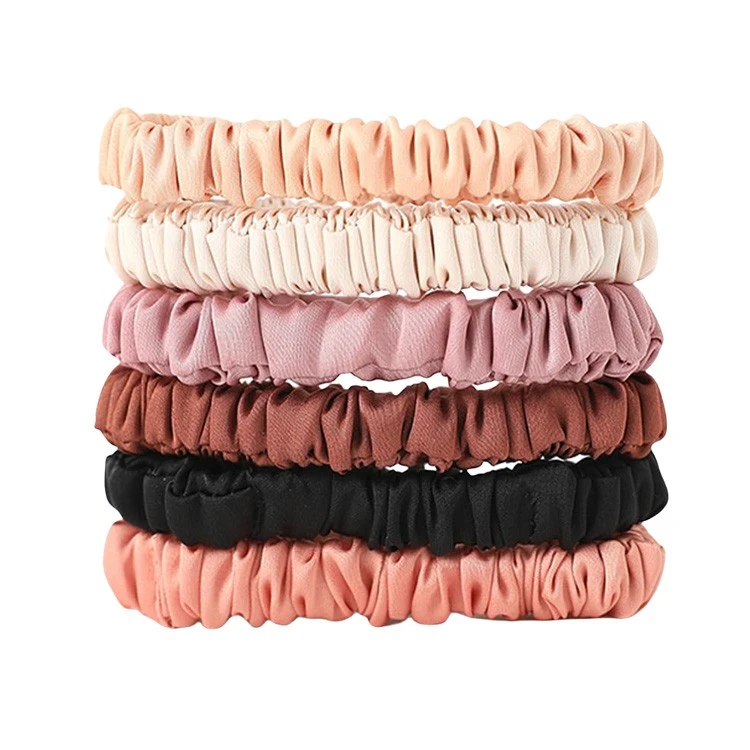
- Silk Hair Ties: Silk hair ties are a great way to keep your hair in place without causing damage. To clean a silk hair tie, simply hand wash it in lukewarm water with a small amount of mild detergent. Rinse it thoroughly and let it air dry.
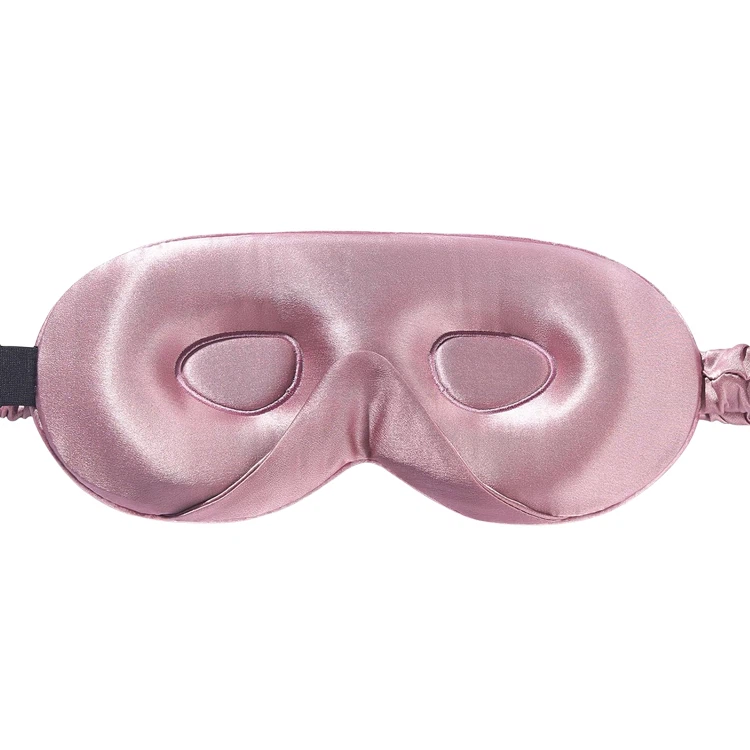
- Pure Silk Sleep Eye Mask: A pure silk sleep eye mask can help you get a better night's sleep. To clean a silk sleep eye mask, follow the same hand washing instructions as for silk hair ties. You can also spot clean it with a damp cloth if necessary.
- Pure Silk Eye Cover: A pure silk eye cover is a great way to reduce puffiness and dark circles under your eyes. To clean a silk eye cover, hand wash it in lukewarm water with a small amount of mild detergent. Rinse it thoroughly and let it air dry.
Common Mistakes to Avoid
When caring for silk products, there are some common mistakes that you should avoid:
Using Harsh Chemicals
Avoid using harsh chemicals, such as bleach, fabric softeners, and strong detergents, on silk products. These chemicals can damage the silk fibers and cause the silk to lose its luster and softness.
Rubbing or Wringing
When washing silk products, avoid rubbing or wringing them. This can cause the silk fibers to break and damage the fabric. Instead, gently swirl the silk item in the water and press out the excess water without wringing it.
Drying in Direct Sunlight
Direct sunlight can cause the silk to fade and become brittle. When drying silk products, avoid direct sunlight and lay them flat on a clean, dry towel to air dry.
Ironing on High Heat
Silk is a delicate fabric and can be easily damaged by high heat. When ironing silk products, use the lowest setting and place a pressing cloth between the iron and the silk to prevent direct contact.
Conclusion
Caring for silk products doesn't have to be complicated. By following these simple tips, you can keep your silk items looking and feeling their best for years to come. Remember to always read the care instructions on the label before cleaning or storing your silk products, and if you're unsure about anything, don't hesitate to ask for advice.
If you're interested in purchasing high-quality silk products, I'd love to hear from you. As a supplier of silk products, I offer a wide range of options to suit your needs and preferences. Contact me to discuss your requirements and let's start a business partnership!
References
- "Silk Care Guide." The Spruce.
- "How to Care for Silk." Martha Stewart.
- "Silk: A Natural Wonder." National Geographic.