

How does muslin hold up over time?
Jun 19, 2025
Leave a message
Muslin, a versatile and time - honored fabric, has long been a staple in various industries. As a muslin supplier, I've witnessed firsthand how this fabric holds up over time. In this blog, we'll delve into the factors that influence muslin's durability, its performance in different applications, and why it remains a reliable choice for consumers and businesses alike.
Composition and Quality of Muslin
Muslin is typically made from cotton, although it can also be composed of other fibers such as silk or synthetic materials. The quality of muslin largely depends on the type of fiber used, the weaving process, and the finishing treatments. High - quality cotton muslin is known for its softness, breathability, and strength.
Cotton fibers are naturally strong and flexible, which gives muslin its durability. When properly woven, the cotton threads create a tight yet porous structure. This structure allows air to circulate, making muslin a comfortable fabric to wear or use in various settings. The tightness of the weave also contributes to its ability to resist tearing and fraying.

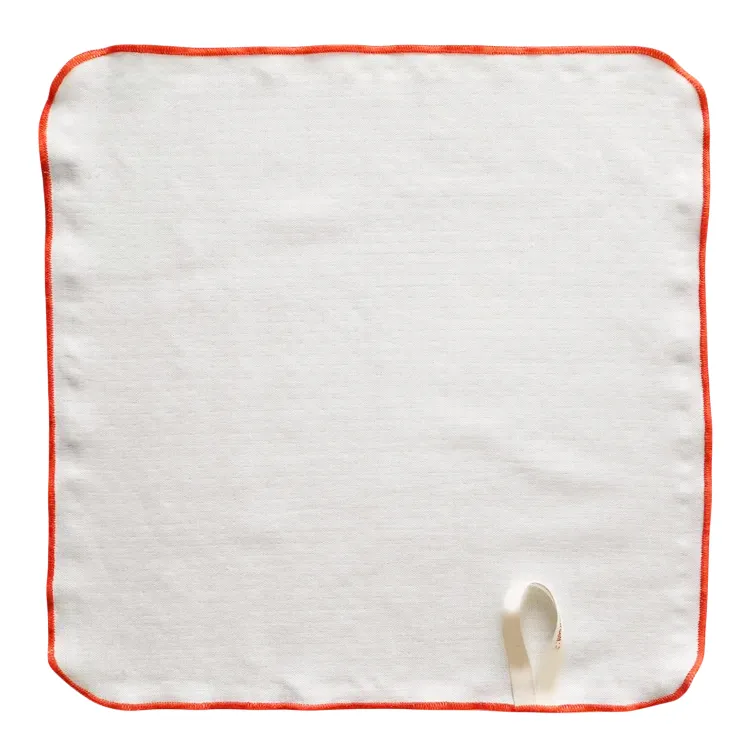
On the other hand, if lower - quality cotton or other inferior fibers are used, the muslin may not hold up as well. Cheaper muslin might be more prone to pilling, tearing, and losing its shape over time. For example, a muslin made from short - staple cotton fibers may not be as strong as one made from long - staple cotton.
Muslin in Daily Use
In daily life, muslin is used in a wide range of products, from baby blankets to kitchen towels. Let's take a look at how it performs in these common applications.
Baby Products
Muslin is a popular choice for baby blankets and swaddles. Its softness is gentle on a baby's delicate skin, and its breathability helps prevent overheating. Over time, well - made muslin baby blankets can withstand multiple washes and uses. The fabric becomes even softer with each wash, which is a plus for parents looking for a cozy and comfortable item for their little ones.
However, it's important to note that if the muslin is not of high quality, it may start to show signs of wear. The edges may fray, and the fabric may become thin in some areas. To ensure long - lasting use, parents should look for muslin baby products with reinforced seams and made from high - quality cotton.
Kitchen Use
Muslin is also used in the kitchen, often as Muslin Face Towels or for straining liquids. As a kitchen towel, muslin is absorbent and can handle spills and messes. It can be washed repeatedly without losing its absorbency.
When used for straining, such as making cheese or straining stocks, muslin's fine weave allows for effective separation of solids and liquids. Cheese Gauze Cloth is a specific type of muslin designed for cheese - making. It can withstand the pressure and moisture involved in the cheese - making process. With proper care, these muslin products can be used for a long time, although they may need to be replaced if they become too dirty or start to tear.
Muslin in Industrial and Artistic Applications
Beyond daily use, muslin has significant applications in industries such as fashion, theater, and art.
Fashion Industry
In the fashion world, muslin is often used as a prototype fabric. Designers use it to create sample garments before cutting into more expensive materials. Muslin's ability to drape well and take on different shapes makes it ideal for this purpose.
Over time, a muslin prototype can be reused multiple times. However, with each use, it may accumulate wrinkles, stains, and minor tears. To extend its lifespan, designers can store the muslin properly, wash it gently, and repair any damages. High - quality Cotton Gauze Muslin is often preferred for fashion prototyping due to its durability and ease of handling.
Theater and Art
In theater, muslin is used for backdrops, curtains, and costumes. It can be painted, dyed, and manipulated to create various visual effects. Muslin backdrops are subject to a lot of wear and tear, including folding, unfolding, and exposure to stage lights and chemicals.
Proper maintenance is crucial for muslin in theater applications. Regular cleaning and careful storage can prevent mold growth, fading, and fabric deterioration. In art, muslin is used as a canvas for painting. The fabric's texture and absorbency can add unique qualities to the artwork. With proper framing and protection, a muslin - based painting can last for many years.
Factors Affecting Muslin's Longevity
Several factors can impact how well muslin holds up over time.
Washing and Care
The way muslin is washed and cared for plays a significant role in its durability. Using harsh detergents, high - heat settings in the dryer, and aggressive washing cycles can damage the fabric. It's recommended to wash muslin in cold or warm water with a gentle detergent. Air - drying is also better for the fabric than using a high - heat dryer, as excessive heat can cause the fibers to shrink and become brittle.
Exposure to Elements
If muslin is exposed to sunlight, moisture, or chemicals for extended periods, it can deteriorate more quickly. Sunlight can cause the fabric to fade, while moisture can lead to mold and mildew growth. Chemicals, such as bleach or strong cleaning agents, can weaken the fibers and cause discoloration.
Frequency of Use
The more often muslin is used, the more wear and tear it will experience. For example, a muslin tablecloth that is used daily will show signs of wear faster than one that is used only on special occasions. However, with proper care, even frequently used muslin can last a long time.
Conclusion
In conclusion, muslin is a fabric that can hold up well over time if it is of high quality and properly cared for. Its versatility makes it suitable for a wide range of applications, from baby products to industrial uses. Whether you're a consumer looking for a durable baby blanket or a business in need of reliable muslin for your operations, choosing the right muslin and taking good care of it are key.
If you're interested in sourcing high - quality muslin products for your needs, I encourage you to reach out. As a muslin supplier, I can provide you with detailed information about our products, including their composition, quality, and expected lifespan. We are committed to offering the best muslin solutions that will stand the test of time. Contact us to start a procurement discussion and find the perfect muslin for your requirements.
References
- Textile Institute. (2018). Handbook of Textile Fibres. Woodhead Publishing.
- Consumer Reports. (2020). Guide to Fabric Durability. Consumer Reports Publications.
- Fashion Institute of Technology. (2019). Textile Science and Technology. FIT Press.