

How does muslin compare to polyester?
Oct 07, 2025
Leave a message
Hey there! I'm a supplier of muslin, and I often get asked how muslin stacks up against polyester. It's a great question, especially if you're in the market for fabrics and trying to figure out which one is the right fit for your needs. So, let's dive right in and break down the differences between these two materials.
What's Muslin Anyway?
First off, let me tell you a bit about muslin. Muslin is a lightweight, plain - woven cotton fabric. It's been around for ages, with a history that dates back to ancient times. The fabric is known for its softness, breathability, and versatility. You can find muslin in a variety of forms, from fine, almost sheer varieties to coarser, more heavy - duty ones.
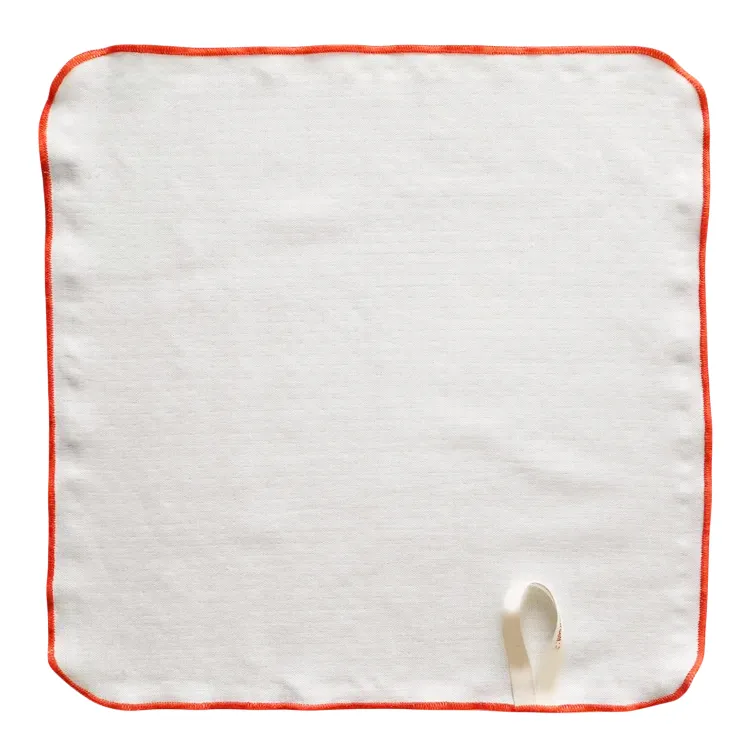
One of the great things about muslin is how natural it is. Since it's made from cotton, it's biodegradable, which is a huge plus if you're environmentally conscious. Also, it's hypoallergenic, making it a great choice for people with sensitive skin. Whether you're looking for Muslin Face Towels that are gentle on your face or Cheese Gauze Cloth for making cheese at home, muslin has got you covered.
The Lowdown on Polyester
Now, let's talk about polyester. Polyester is a synthetic fabric made from petroleum - based products. It became popular in the mid - 20th century because it's cheap to produce and has some useful properties. Polyester is very durable, resistant to wrinkles, and quick - drying. It also doesn't shrink or stretch much, which makes it a reliable choice for clothing and other items that need to keep their shape.
However, polyester isn't without its drawbacks. Because it's synthetic, it's not biodegradable, which means it can stay in landfills for a long time. Also, some people find that polyester can be a bit itchy and less breathable than natural fabrics. It doesn't absorb moisture as well as cotton, so you might feel sweaty and uncomfortable when wearing polyester in hot weather.

Softness and Comfort
When it comes to softness, muslin takes the cake. The natural fibers in muslin are smooth and gentle on the skin, making it ideal for baby clothes, bedding, and anything that will be in close contact with your body. I've had customers tell me that they love using Muslin Cloth for Women for their nightgowns because it feels so soft and cozy.
Polyester, on the other hand, can feel a bit rough and scratchy, especially if it's a lower - quality polyester. Even high - quality polyester doesn't have that same natural softness as muslin. If you're someone who values comfort above all else, muslin is definitely the way to go.
Breathability
Breathability is another important factor to consider. Muslin is extremely breathable because of its natural cotton fibers. Air can easily pass through the fabric, which helps to keep you cool and dry. This makes muslin a great choice for summer clothing, face towels, and anything that will be worn in warm weather.
Polyester, as I mentioned earlier, isn't as breathable. The synthetic fibers don't allow air to circulate as well, so you're more likely to feel hot and sticky when wearing polyester. If you live in a hot climate or have an active lifestyle, muslin will keep you much more comfortable.
Durability
While muslin is a durable fabric, polyester generally has an edge when it comes to long - term durability. Polyester is resistant to wear and tear, and it doesn't fade easily. It can withstand repeated washing and drying without losing its shape or color.
Muslin, on the other hand, is more delicate. While it can last a long time if it's cared for properly, it's more likely to tear or fray than polyester. However, this doesn't mean that muslin is flimsy. With regular use and proper maintenance, muslin can serve you well for years.
Cost
Cost is often a deciding factor when choosing between fabrics. Polyester is usually cheaper than muslin because it's mass - produced from synthetic materials. If you're on a tight budget and need a large quantity of fabric, polyester might seem like the more affordable option.
But here's the thing: muslin offers great value for money. Its natural properties and versatility mean that you can use it for many different purposes. You might end up spending a bit more upfront, but you'll get a high - quality, long - lasting product that's worth the investment.
Environmental Impact
As I mentioned before, muslin is a much more environmentally friendly option than polyester. Cotton is a renewable resource, and muslin is biodegradable. When you're done with a muslin item, it will break down naturally in the environment.
Polyester, on the other hand, is made from non - renewable petroleum resources and doesn't break down easily. It contributes to pollution and waste in landfills. If you're concerned about the environment, choosing muslin over polyester is a small but important step you can take.
Uses and Versatility
Muslin is incredibly versatile. You can use it for clothing, home decor, crafts, and even in the kitchen. For example, you can make curtains, pillowcases, or tablecloths out of muslin. It's also great for making baby swaddles, burp cloths, and nursing covers. In the kitchen, Cheese Gauze Cloth is perfect for straining liquids and making cheese.
Polyester is also versatile, but in a different way. It's commonly used in sportswear, outdoor gear, and upholstery because of its durability and resistance to wrinkles. However, it's not as suitable for items that require a soft, natural feel.
Conclusion
So, there you have it! Muslin and polyester are both useful fabrics, but they have very different characteristics. If you value softness, breathability, and environmental friendliness, muslin is the clear winner. On the other hand, if you need a durable, wrinkle - resistant fabric on a budget, polyester might be the better choice.
As a muslin supplier, I believe in the quality and versatility of muslin. I've seen firsthand how it can enhance people's lives, whether it's through a cozy baby blanket or a beautiful piece of home decor. If you're interested in purchasing muslin for your next project, I'd love to talk to you. Reach out to me, and we can discuss your needs and find the perfect muslin product for you.
References
- "The History of Muslin Fabric." Textile Museum.
- "Properties of Polyester." Synthetic Fabrics Research Institute.