

Do 100% silk pillow covers shrink after washing?
Jan 08, 2026
Leave a message
One of the most frequently asked questions we get as a supplier of 100% silk pillow covers is whether these luxurious items will shrink after washing. It's a valid concern, considering the investment one makes in such high - quality bedding. Let's delve into this topic and provide you with a comprehensive understanding.
The Nature of 100% Silk
Silk is a natural protein fiber produced by silkworms. It's known for its softness, smoothness, and ability to regulate body temperature. However, this natural fiber also has some unique characteristics that can affect its behavior during washing.
The structure of silk consists of long chains of amino acids. When exposed to water, heat, and agitation, these chains can contract and cause the fabric to shrink. But the degree of shrinkage depends on several factors, including the type of silk, the manufacturing process, and the washing method.
Types of Silk Used in Pillow Covers
There are different types of silk, with mulberry silk being the most common choice for high - end pillow covers. Mulberry silk is made from the cocoons of Bombyx mori silkworms, which are fed exclusively on mulberry leaves. This type of silk is known for its high quality, strength, and smooth texture.
Other types of silk, such as tussah silk, have a more irregular texture and may be more prone to shrinkage. When we produce our 100% silk pillow covers, we use only the finest mulberry silk, which has been carefully processed to minimize the risk of shrinkage.
Manufacturing Process and Shrinkage
The way the silk fabric is manufactured also plays a crucial role in determining its shrinkage potential. At our facility, we follow a strict manufacturing process that includes pre - shrinking the silk fabric. This involves subjecting the fabric to a controlled washing and drying process before it is cut and sewn into pillow covers.
Pre - shrinking helps to remove any residual tension in the fabric and ensures that the pillow covers maintain their shape and size even after washing. We also use high - quality dyes and finishing techniques that are designed to protect the integrity of the silk fibers and prevent excessive shrinkage.
Washing Methods and Their Impact
The washing method you choose can have a significant impact on whether your 100% silk pillow covers will shrink. Here are some common washing methods and their effects:
Hand - Washing
Hand - washing is generally considered the gentlest method for cleaning silk pillow covers. Fill a basin with lukewarm water and add a mild, pH - neutral silk detergent. Gently agitate the pillow covers in the water for a few minutes, then rinse them thoroughly with clean water.
Avoid wringing or twisting the pillow covers, as this can damage the silk fibers and cause shrinkage. Instead, gently press out the excess water with a clean towel and lay the pillow covers flat to dry. Hand - washing, when done correctly, significantly reduces the risk of shrinkage.
Machine - Washing
If you choose to machine - wash your silk pillow covers, it's important to use the delicate or silk cycle on your washing machine. Set the water temperature to cold or lukewarm and use a mild silk detergent. Place the pillow covers in a mesh laundry bag to protect them from getting tangled or snagged.
After the wash cycle is complete, remove the pillow covers from the machine immediately and gently press out the excess water. Do not put them in the dryer, as the heat can cause shrinkage. Instead, lay them flat to dry.
Dry - Cleaning
Dry - cleaning is another option for cleaning silk pillow covers. Professional dry - cleaners have the expertise and equipment to clean silk safely without causing shrinkage. However, dry - cleaning can be expensive, and it's not recommended to do it too frequently, as the chemicals used in the process can gradually damage the silk fibers over time.
Tips to Prevent Shrinkage
Here are some additional tips to help you prevent shrinkage when washing your 100% silk pillow covers:
- Read the Care Label: Always follow the care instructions provided on the label of your pillow covers. The manufacturer's recommendations are based on extensive testing and are the best way to ensure the longevity of your silk items.
- Use the Right Detergent: Choose a mild, pH - neutral silk detergent. Harsh detergents can damage the silk fibers and increase the risk of shrinkage.
- Avoid High Heat: Whether you're washing or drying your pillow covers, avoid exposing them to high heat. High temperatures can cause the silk fibers to contract and shrink.
- Handle with Care: Be gentle when handling your silk pillow covers. Avoid pulling, stretching, or wringing them, as this can damage the fibers and lead to shrinkage.
Our Commitment as a Supplier
As a supplier of 100% silk pillow covers, we are committed to providing our customers with high - quality products that are both beautiful and durable. We take great care in the manufacturing process to ensure that our pillow covers are resistant to shrinkage.
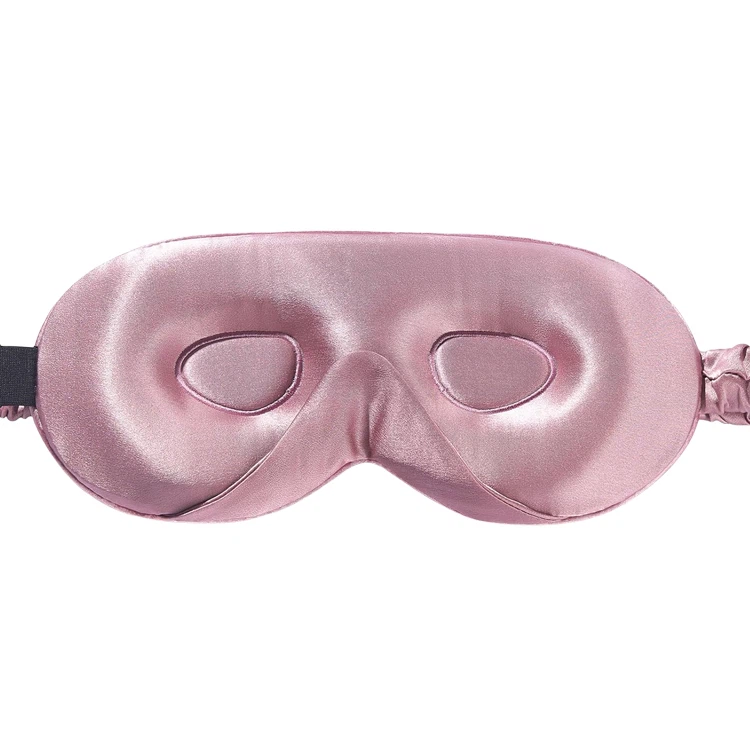
In addition to our pillow covers, we also offer a range of other silk products, such as Silk Hairties Girl, Pure Silk Sleep Eye Mask, and Silk Hair Ties. These products are made from the same high - quality silk and are designed to provide you with a luxurious and comfortable experience.

Contact Us for Purchasing
If you're interested in purchasing our 100% silk pillow covers or any of our other silk products, we'd love to hear from you. We offer competitive pricing, excellent customer service, and fast shipping. Whether you're looking to upgrade your own bedding or are interested in placing a bulk order for a business, we're here to help.
Please reach out to us to discuss your requirements and to get a quote. We're confident that you'll be satisfied with the quality of our products and the level of service we provide.
References
- "The Properties of Silk" by The Silk Association
- "Caring for Silk Fabrics" by The Textile Institute
- "Manufacturing Processes for High - Quality Silk Products" by Journal of Textile Research