

Are there different types of cotton used for face cloths?
Jul 11, 2025
Leave a message
Hey there! As a supplier of face cloth cotton, I often get asked if there are different types of cotton used for face cloths. And the answer is a big yes! In this blog, I'm gonna break down the various types of cotton that are commonly used to make those soft, absorbent face cloths we all love.

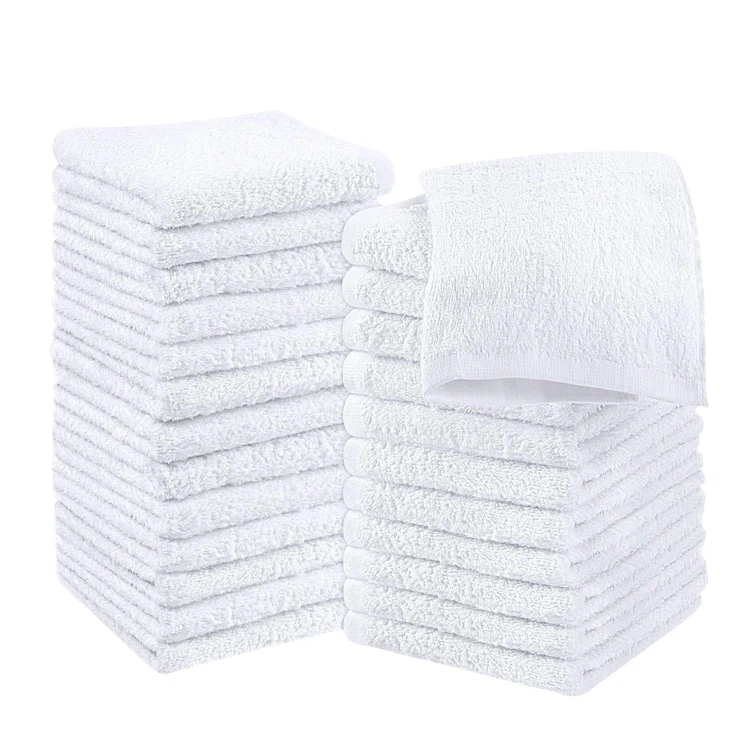
First off, let's talk about the most well - known type: Gossypium hirsutum, or Upland cotton. It's the most widely grown cotton in the world, accounting for about 90% of global cotton production. Upland cotton has short to medium - length fibers, which gives it a decent level of absorbency. It's also relatively affordable to produce, making it a popular choice for mass - market face cloths.
The good thing about Upland cotton face cloths is that they are soft and gentle on the skin. They're great for everyday use, whether you're just washing your face in the morning or removing makeup at night. You can find tons of Cotton Clean Face Towel made from Upland cotton in stores. They're usually pre - washed to make them even softer and more comfortable against your skin.
Next up is Gossypium barbadense, or Pima and Egyptian cotton. These are considered the premium varieties of cotton. Pima cotton, often grown in the United States, has extra - long fibers. Egyptian cotton, on the other hand, is grown mainly in Egypt and is renowned for its luxurious feel.
The long fibers of Pima and Egyptian cotton make the face cloths extremely soft and strong. They're also highly absorbent, so they can soak up a lot of water or makeup remover in one go. Face cloths made from these types of cotton are less likely to pill or shed compared to those made from Upland cotton. If you're someone who has sensitive skin, these high - quality cotton face cloths are a great option. You can even use them as Wash Cloth Baby because of their gentle nature.
Another type is organic cotton. With the growing concern for the environment and health, organic cotton has become a popular choice. Organic cotton is grown without the use of synthetic pesticides, fertilizers, or genetically modified organisms (GMOs). This means that face cloths made from organic cotton are free from harmful chemicals that could irritate your skin.
The process of growing organic cotton is more labor - intensive and environmentally friendly. When you use an organic cotton face cloth, you're not only taking care of your skin but also doing your part for the planet. Organic cotton face cloths may be a bit more expensive than those made from conventional cotton, but many people believe the benefits are worth the extra cost.
Then there's recycled cotton. As the name suggests, recycled cotton is made from post - consumer or post - industrial cotton waste. It's a great way to reduce waste and give new life to old cotton products. Recycled cotton face cloths are usually a bit coarser than those made from virgin cotton, but they're still soft enough for use on the face.
The production of recycled cotton helps to conserve resources and reduce the environmental impact of cotton farming. It's a sustainable option for those who want to be more eco - conscious. And don't worry, even though it's recycled, it still has good absorbency and can get the job done when it comes to cleaning your face.
Now, let's talk about how these different types of cotton affect the quality and performance of face cloths. The fiber length plays a huge role. As I mentioned earlier, longer fibers like those in Pima and Egyptian cotton make for stronger and softer face cloths. Shorter fibers, like in Upland cotton, are still good but may not be as durable in the long run.
Absorbency is another important factor. Cotton with longer fibers generally has better absorbency because there are more spaces between the fibers to hold water. This means that face cloths made from premium cotton can soak up more moisture, which is great for quickly drying your face or removing makeup.
Softness is also a key consideration, especially when it comes to face cloths. You don't want something that's going to scratch or irritate your skin. Organic and high - end cotton varieties are known for their softness, making them ideal for sensitive skin.
When it comes to choosing the right face cloth for you, it really depends on your personal preferences and needs. If you have sensitive skin, you might want to go for organic or premium cotton like Pima or Egyptian. If you're on a budget, Upland cotton face cloths are a great option. And if you're environmentally conscious, recycled cotton could be the way to go.
As a face cloth cotton supplier, I offer a wide range of cotton types for face cloth production. Whether you're a small business looking to make your own line of face cloths or a large retailer in need of bulk supplies, I've got you covered. I can provide samples of different cotton types so you can test them out and see which one is the best fit for your product.
If you're interested in purchasing cotton for your face cloth production, I'd love to have a chat with you. We can discuss your requirements, the quantity you need, and the type of cotton that would work best for your target market. Contact me to start the conversation about how we can work together to create high - quality face cloths.
In conclusion, there are definitely different types of cotton used for face cloths, each with its own unique characteristics and benefits. Whether you're looking for luxury, affordability, or sustainability, there's a cotton type out there for you. So, next time you're shopping for a face cloth, take a closer look at the label and see what kind of cotton it's made from. You might be surprised at how much of a difference it can make.
References
- "Cotton: Science and Technology" by C. S. Adlakha
- "The Cotton Economy in Global Perspective, 1600 - 1850" by Giorgio Riello and Prasannan Parthasarathi
- Various industry reports on cotton production and usage in textile manufacturing