

Are electric beauty tools better than manual ones?
Jul 08, 2025
Leave a message
In the ever - evolving world of beauty, consumers are constantly faced with a choice between electric beauty tools and their manual counterparts. As a beauty tools supplier, I've witnessed firsthand the trends and preferences of customers in this regard. This blog post aims to delve into the pros and cons of both types of beauty tools to help you decide which is better for your beauty routine.
The Rise of Electric Beauty Tools
Electric beauty tools have seen a significant surge in popularity in recent years. These tools are often equipped with advanced technology that promises more efficient and effective results. For example, electric facial cleansing brushes use sonic vibrations to remove dirt, oil, and makeup from the skin more thoroughly than manual cleansing methods. They can reach deep into the pores, providing a deeper clean that leaves the skin feeling refreshed and rejuvenated.
Another popular electric beauty tool is the electric hair straightener or curling iron. These devices heat up quickly and maintain a consistent temperature, allowing for faster and more precise styling. They also often come with adjustable temperature settings, which is great for different hair types. Fine hair can be styled at a lower temperature to avoid damage, while thick, coarse hair can withstand higher heat for a long - lasting style.
Electric makeup brushes are also making their mark in the beauty industry. These brushes rotate at high speeds, allowing for a more even application of makeup. They can blend foundation, powder, and blush seamlessly, giving a professional - looking finish in a fraction of the time it would take with a manual brush.
The Enduring Appeal of Manual Beauty Tools
Despite the rise of electric beauty tools, manual tools still hold a special place in the hearts of many beauty enthusiasts. One of the main advantages of manual tools is their simplicity. They are easy to use and require no batteries or charging, making them convenient for travel.
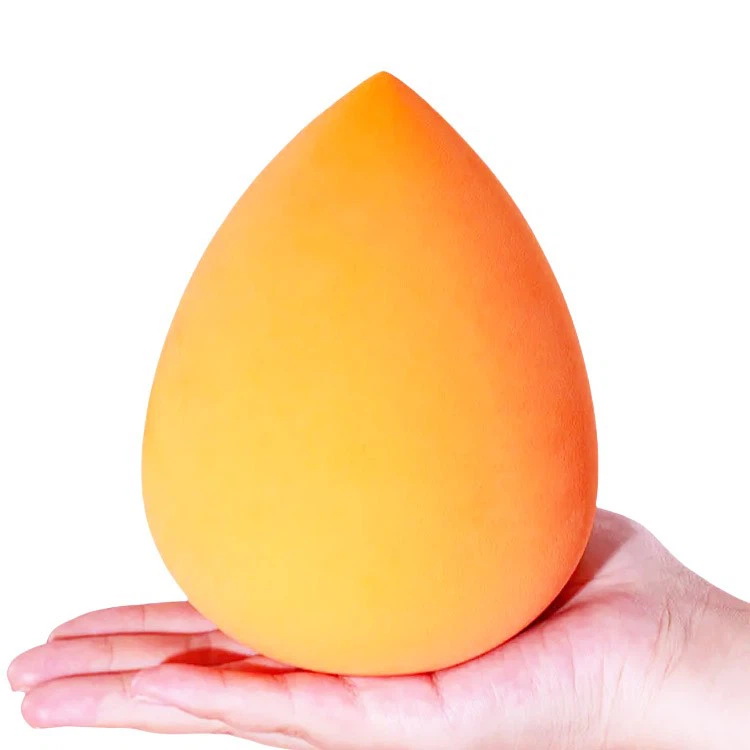
Take the humble Beauty Sponge Makeup for example. This simple yet effective tool has been a staple in makeup routines for years. It can be used to apply foundation, concealer, and setting powder with a natural - looking finish. The sponge absorbs just the right amount of product, preventing over - application and ensuring a smooth, even coverage. It's also reusable and easy to clean, making it an environmentally friendly option.
Manual hair styling tools like hairpins, combs, and curling rods are also very popular. They give users more control over their styling. With a manual curling rod, for instance, you can create different curl sizes and patterns by adjusting the way you wrap the hair around the rod. This level of creativity is often difficult to achieve with an electric curling iron.
Manual makeup brushes are also highly valued for their precision. Artists and makeup enthusiasts alike appreciate the ability to control the amount of product picked up and applied with a manual brush. They can create detailed looks, such as precise eyeliner or contouring, with greater accuracy.
Performance Comparison
When it comes to performance, electric beauty tools generally have an edge in terms of speed and efficiency. Electric facial cleansing brushes, as mentioned earlier, can clean the skin more thoroughly in a shorter amount of time. They can remove up to 99% of dirt and makeup, according to some studies. This is especially beneficial for people with oily or acne - prone skin, as a deep clean can help prevent breakouts.
On the other hand, manual facial cleansing methods, such as using a washcloth or a manual cleansing brush, may not be as effective at removing stubborn dirt and oil. However, they are often gentler on the skin, which can be a plus for those with sensitive skin.
In makeup application, electric makeup brushes can blend products faster and more evenly. But manual brushes offer a more tactile experience. You can feel the brush on your skin, which allows for better control. For example, when applying eyeshadow, a manual brush can be used to build up color gradually, creating a more natural - looking gradient.
Cost Considerations
Cost is another important factor when comparing electric and manual beauty tools. Electric tools are usually more expensive upfront. They often come with a higher price tag due to the technology involved. For example, a high - end electric facial cleansing brush can cost upwards of $100, while a good - quality manual cleansing brush can be purchased for less than $10.
However, in the long run, the cost of using electric tools may be offset by their durability and efficiency. Electric hair straighteners and curling irons can last for several years if properly maintained, and they can save time in your daily styling routine. Manual tools, on the other hand, may need to be replaced more frequently. Makeup sponges, for example, should be replaced every few months to prevent the growth of bacteria.
Maintenance and Durability
Maintenance requirements also differ between electric and manual beauty tools. Electric tools require regular charging and may need occasional servicing. For example, the motor in an electric makeup brush may wear out over time, and it may need to be replaced. Additionally, if the tool gets wet, it can cause damage to the electrical components.
Manual tools are generally easier to maintain. Blender Sponge Makeup Tools can be washed with mild soap and water, and they dry quickly. Manual makeup brushes can be cleaned with brush cleaner and left to air - dry. They are also less likely to break or malfunction, making them a reliable choice for everyday use.
In terms of durability, electric tools can last a long time if well - cared for. But they are more susceptible to damage from drops or impacts. Manual tools, being simpler in design, are often more robust and can withstand more wear and tear.
Environmental Impact
The environmental impact of beauty tools is an increasingly important consideration. Electric tools require electricity to operate, which contributes to energy consumption. Additionally, the batteries in some electric tools may need to be replaced regularly, and improper disposal of these batteries can be harmful to the environment.
Manual tools, on the other hand, have a lower environmental footprint. They don't require electricity, and many of them are reusable. Makeup Sponge Kit can be washed and reused multiple times, reducing waste. Manual brushes can also be used for a long time with proper care.

Which is Better?
So, are electric beauty tools better than manual ones? The answer is not straightforward. It depends on your personal preferences, lifestyle, and beauty needs.
If you're short on time and want fast, efficient results, electric beauty tools may be the way to go. They are great for busy individuals who want to streamline their beauty routines. However, if you value simplicity, control, and a more tactile experience, manual tools may be more suitable for you. They are also a good option for those on a budget or concerned about the environment.
As a beauty tools supplier, I offer a wide range of both electric and manual beauty tools to meet the diverse needs of my customers. Whether you're looking for a high - tech electric facial cleansing brush or a classic makeup sponge, I have the products you need to enhance your beauty routine.
If you're interested in learning more about our beauty tools or would like to place an order, I invite you to contact me for a procurement discussion. I'm always happy to assist you in finding the perfect beauty tools for your needs.
References
- "The Benefits of Electric Facial Cleansing Brushes", Journal of Cosmetic Science, Vol. XX, Issue YY
- "Makeup Application: Electric vs Manual Tools", Beauty Trends Magazine, 20XX
- "Environmental Impact of Beauty Tools", Sustainable Beauty Journal, Vol. ZZ, Issue AA