

Are cotton face cloths better than disposable face wipes?
Oct 01, 2025
Leave a message
In the realm of skincare and daily cleansing routines, the choice between cotton face cloths and disposable face wipes has become a hot topic. As a proud supplier of Face Cloth Cotton, I've witnessed firsthand the growing interest in this debate. In this blog, I'll delve into the science, benefits, and drawbacks of both options to help you make an informed decision.
The Science Behind Cleansing
Before we compare cotton face cloths and disposable face wipes, it's essential to understand the basic principles of facial cleansing. Our skin is constantly exposed to dirt, oil, bacteria, and environmental pollutants. Cleansing helps remove these impurities, preventing clogged pores, breakouts, and premature aging.
When we use a cleansing product, whether it's a cleanser, toner, or makeup remover, we rely on a combination of chemical and mechanical action. The chemical components in the product break down dirt and oil, while the mechanical action of rubbing or wiping helps lift these impurities off the skin.
Disposable Face Wipes: Convenience at a Cost
Disposable face wipes have gained immense popularity in recent years due to their convenience. They are pre - moistened, ready to use, and require no additional water or cleaning supplies. This makes them ideal for on - the - go situations, such as traveling, after a workout, or when you're short on time.
However, there are several drawbacks to using disposable face wipes. Firstly, most disposable wipes are made from non - biodegradable materials, such as polyester or polypropylene. These materials can take hundreds of years to decompose in landfills, contributing to environmental pollution.
Secondly, the chemicals used in disposable wipes can be harsh on the skin. Many wipes contain preservatives, fragrances, and alcohol, which can cause irritation, dryness, and allergic reactions, especially for those with sensitive skin. A study published in the Journal of Cosmetic Dermatology found that frequent use of disposable wipes can disrupt the skin's natural barrier function, leading to increased transepidermal water loss and a higher risk of skin infections.
Cotton Face Cloths: A Natural and Sustainable Alternative
Cotton face cloths, on the other hand, offer a more natural and sustainable option for facial cleansing. Cotton is a breathable, hypoallergenic material that is gentle on the skin. It doesn't contain the harsh chemicals found in disposable wipes, making it suitable for all skin types, including sensitive skin.
One of the key benefits of using a cotton face cloth is its reusability. Instead of throwing away a wipe after each use, you can simply wash the face cloth and use it again. This not only reduces waste but also saves money in the long run. According to a report by the Environmental Protection Agency, switching from disposable wipes to reusable cotton face cloths can significantly reduce the amount of plastic waste generated in households.
Cotton face cloths also provide better mechanical cleansing action compared to disposable wipes. The texture of cotton allows for a more thorough removal of dirt, oil, and makeup from the skin. When used in combination with a gentle cleanser, a cotton face cloth can help exfoliate the skin, removing dead skin cells and promoting a smoother, more radiant complexion.

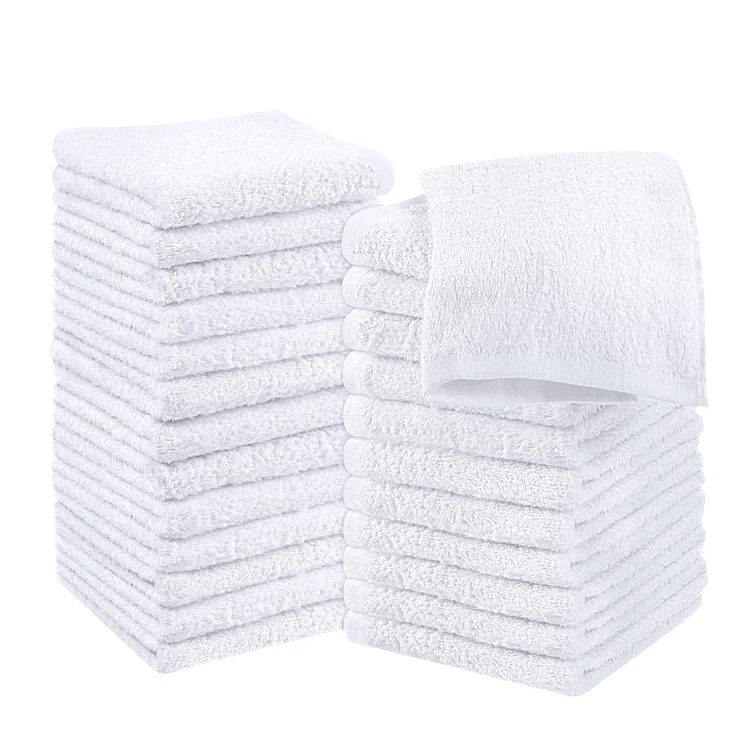
Types of Cotton Face Cloths
There are various types of cotton face cloths available on the market, each with its own unique features and benefits.
- Cotton Clean Face Towel: These towels are made from high - quality cotton and are designed for general facial cleansing. They are soft, absorbent, and can be used with a variety of cleansing products.
- Wash Cloth Baby: As the name suggests, these wash cloths are specifically designed for babies. They are extra soft and gentle, making them ideal for cleansing a baby's delicate skin. However, they can also be used by adults with sensitive skin.
How to Use Cotton Face Cloths
Using a cotton face cloth is simple. First, wet the face cloth with warm water. Then, apply a small amount of your favorite cleanser to the cloth and gently massage it onto your face in circular motions. Pay special attention to areas prone to oiliness, such as the T - zone (forehead, nose, and chin).
After cleansing, rinse the face cloth thoroughly to remove all traces of cleanser and dirt. You can then use the wet cloth to rinse your face, splashing water onto the cloth and gently wiping it across your face. Finally, pat your face dry with the same cloth or a separate towel.
It's important to wash your cotton face cloth regularly to prevent the growth of bacteria. You can wash it in the washing machine with your regular laundry, using a mild detergent. Avoid using fabric softeners, as they can leave a residue on the cloth and reduce its absorbency.
Making the Switch
If you're currently using disposable face wipes and considering switching to cotton face cloths, here are some tips to make the transition easier:
- Start slowly: Begin by using a cotton face cloth once or twice a week and gradually increase the frequency as you get used to it.
- Choose the right cloth: Select a cotton face cloth that is soft, absorbent, and suitable for your skin type.
- Keep it clean: Wash your face cloth regularly to maintain its hygiene and effectiveness.
Conclusion
In conclusion, cotton face cloths are a better choice than disposable face wipes in many aspects. They are more sustainable, gentle on the skin, and provide better cleansing results. As a supplier of Face Cloth Cotton, I encourage you to make the switch to a more eco - friendly and skin - friendly option.
If you're interested in purchasing high - quality cotton face cloths for your personal use or for your business, I invite you to contact me for more information. We offer a wide range of cotton face cloths at competitive prices, and we're committed to providing excellent customer service. Let's work together to make a positive impact on the environment and your skin.
References
- Journal of Cosmetic Dermatology. "The impact of disposable facial wipes on skin barrier function."
- Environmental Protection Agency. "Reducing household plastic waste."